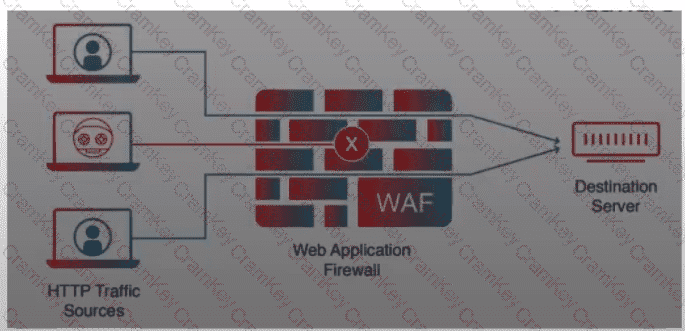
The primary purpose of aWeb Application Firewall (WAF)is tofilter, monitor, and block malicious HTTP/HTTPS trafficdirected at web applications. A WAF operates at theapplication layer (Layer 7)of the OSI model and is specifically designed to protect web applications from common attacks such as SQL injection, cross-site scripting (XSS), command injection, and other OWASP Top 10 vulnerabilities.
Unlike traditional network firewalls, which focus on IP addresses, ports, and protocols, a WAF understands web-specific traffic patterns and inspects the content of HTTP requests and responses. This allows it to detect malicious payloads embedded in URLs, headers, cookies, and request bodies.
While some WAFs may offer limited protection against application-layer DDoS attacks, DDoS mitigation is not their primary function. Intrusion detection is typically handled by IDS/IPS solutions, and SSL certificate management is unrelated to WAF functionality.
Security frameworks such as NIST and OWASP recommend WAFs as a critical compensating control for protecting public-facing web applications, especially when secure coding fixes cannot be deployed immediately.